miércoles, 18 de mayo de 2016

Diseñando prototipos (Tarea Arts & Crafts) Proyecto Integrado 5ºEP

Aim of the moment 3: Diseñar un contenedor para reciclar desde la creatividad y el cuidado del medio ambiente en su fase de producción. 


STEP 1: Let's organize your Arts & Craft block. In the sheet you need to divide it leaving 2 parts of it to draw the picture and 1 part of it two write about the product. 


STEP 2: Start with your prototype. You have 30 minutes for it. And it should follow the following ideas:

  • It should be something to use  in the houses. 
  • It should promote recycling at least (glass, paper, plastic and organic things)
  • It shouldn't be very expensive.
  • You should use as many recycled materials as you can. 
  • It should be functional. 
  • It should be creative and original.

STEP 3: In the other part you have to write about the materials you will use to produce it and the cost it will have in a shop.  Also a sentences to promote it (like a slogan). (You will have ten minutes)

When you finish use the Ipad to take a photo of your work (it will be very useful for you to upload into the final post in the portfolio)

STEP 4: Time for the contest. Take a paper with a number and place your worksheet with that number on it.  
Everybody will vote two of them, by written the two numbers in a paper and give it to the teacher. 

The five most voted will take part in the final contest through a voting using EDMODO.


martes, 17 de mayo de 2016

Our eco-decalogue (Proyecto Integrado 5º EP)

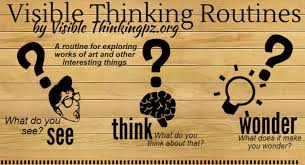
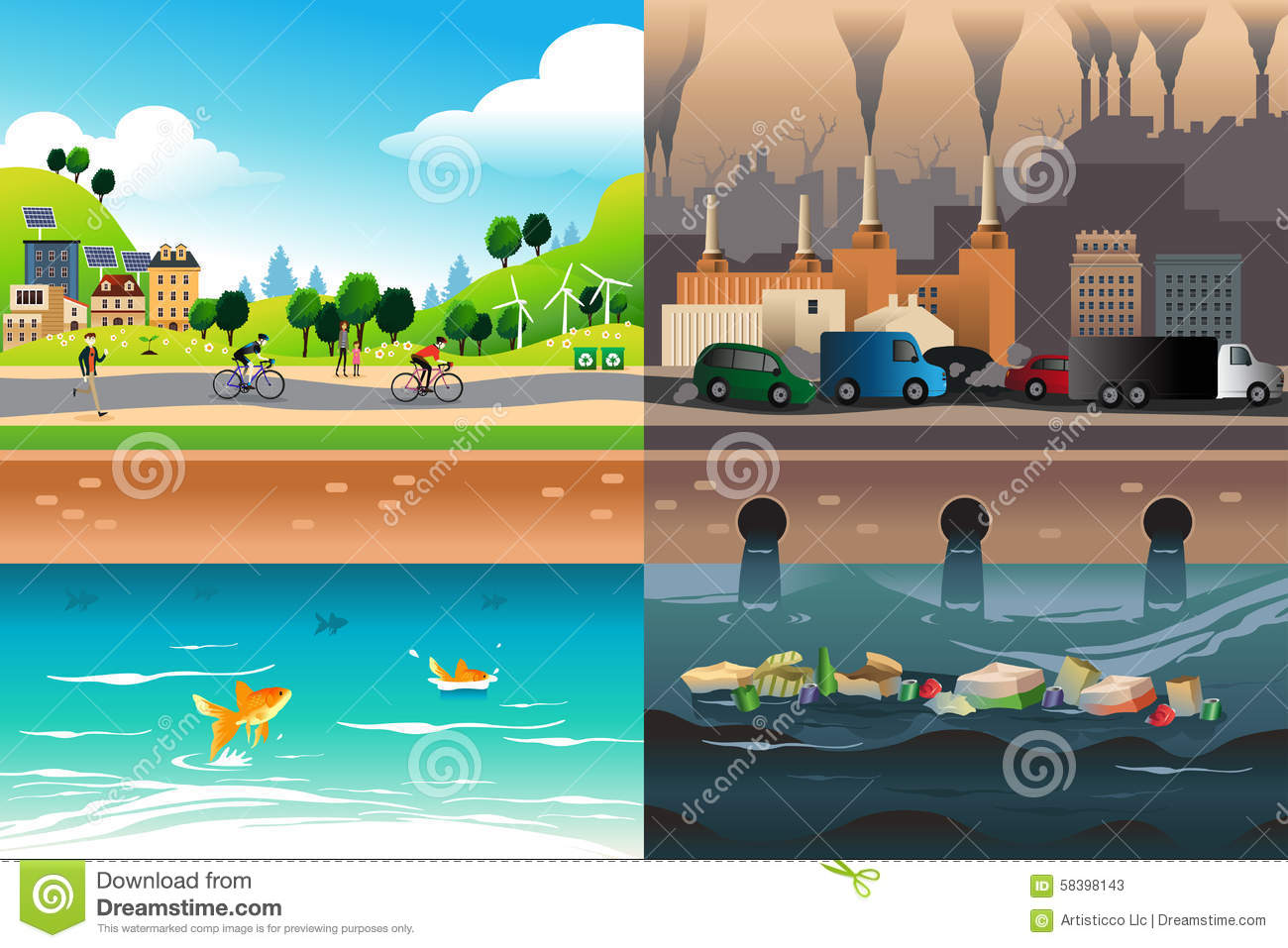
STEP 1: Thinking Routine about a picture.

i see i think i wonder.jpg


PICTURE TO THINK ABOUT


contaminación.jpg


STEP 2: Answer the following questions in your groups.  

  • Do only big factories pollute? 
  • Do I pollute at home?
  • How do I pollute in my daily life? 

Let's answer different ways you can pollute or you can observe around you. To answer these questions we are going to use a Cooperative Learning Technique:


The Recorder of the groups will read the final conclusions to the rest and the teacher will write them on the blackboard.


STEP 3: With the Cooperative Learning Technique: THINK – PAIR – SHARE the student will look for some actions to do in order to solve the problems the have discovered in the previous part. We need to finish with at least 10 different actions.


  • THINK: Each member of the group think on possible actions. (1 minute)
  • PAIR: The two pairs of the group will talk and look for common actions (2 minutes)
  • SHARE: The four members of the group will talk and look for some actions the think are great (4 minutes) the recorder will write down on a paper.


With all of them we will create a final decalogue.


STEP 4: Each group of four will have an action of the ten to represent and record a short video using Touchcast with the minIpads. So the student will have to write a short script about what will be in the video and which photo will they use to record it.
The video should have three very short parts:
  • A situation explaining a wrong action.
  • A situation explaining a good action.
  • The sentences from the decalogue.


For example:
We are at home eating the afternoon snack, when the boy finishes the juice throws it to the paper bin. The mum explains  he has to recycle it and he has to throw to the yellow bin. And then you say the sentences about the decalogue.


GRAMMAR TIPS:
  • Remember to use the grammar about the present simple CB 145.


STEP 5: Recording the videos at the Image Lab.


STEP 6: Along these step the groups will have different task to do.


  • One group will create the final video using all the videos of the groups. They can use WeVideo.
  • Another group will create an Infography with the points of the decalogue. They can use Piktochart.
  • Another group will create the aura (photo or picture) and learn how to work with Aurasma.
  • Another four groups will create a Google SlideShow presentation, a very short one to explain kids from Year 1 and Year 2, good practices on the recycle topic. One group will divide themselves and each member will go to these four groups.


ASSESMENT

Teacher's assesment (60% of the final mark) Maximum 24 points.


Self-assesment (20% of the final mark) Maximum 24 points.

lunes, 16 de mayo de 2016

La Contaminación (Proyecto Integrado 5º EP)

Hoy, lunes 16 de mayo, comenzamos una nueva aventura en 5º de EP del Colegio San Gregorio (Aguilar de Campoo). 

Para comenzar cada uno de vosotros tenéis papeles con diferentes palabras. Te pedimos que escribas tu nombre en ella y realices una bola de papel. Ahora vamos a tener una guerra de bolas en clase, no te limites a tirar la tuya, coge las que encuentres por el suelo y vuelve a tirarla. 

Cuando el profe te avise deberás, en completo silencio y sin decir nada a a nadie,  buscar tu bola de papel, acercarte a la pizarra y colocarla en el contenedor adecuado (papel, vidrio, envases, orgánico, otros)


Vamos a repetir la operación, pero en esta ocasión cada uno recogerá aquella bola que tenga más cerca, la abrirá y la colocará en su contenedor. 

  • ¿Qué conclusiones sacas de la dinámica realizada?
  • ¿Cuál crees que es el objetivo del proyecto que vamos a comenzar?

Vamos a realizar la rutina de aprendizaje cooperativo: Think - Pair - Share para pensar y trabajar sobre las siguientes preguntas. 

  • ¿Cómo veo la contaminación en Aguilar de Campoo?
  • ¿Qué puedo hacer yo para contaminar menos?
  • ¿Cómo puedo hacer que el resto del mundo sea un "viandante no contaminante"?


PRESENTACIÓN DEL PROYECTO Y ORGANIZACIÓN GENERAL


Objetivo del proyecto:
  • Realizar un díptico o tríptico informativo sobre la contaminación en nuestra villa de Aguilar de Campoo y mediante el cual podemos difundir información sobre buenas prácticas para con el Medio Ambiente. 

Organización de la semana:
  • A lo largo de la semana iremos realizando diferentes tareas con los diferentes profesores de 5º de Educación Primaria, todas ellas enfocadas en el tema de trabajo.
  • Los alumnos de 5º A y B trabajaremos en grupos cooperativos mixtos de ambas clases durante las diferentes sesiones del proyecto. Cambiaremos los roles de cooperativo cada día del proyecto.  


  • Al comenzar cada una de las tareas el profesor que se encuentre en el aula os entregará la rúbrica que os ayudará a saber cómo tenéis que realizar la tarea y cómo conseguir el éxito en la misma. 
  • Para comenzar todos lo haremos generando el diario de aprendizaje del proyecto, en el que reflejaréis todo lo trabajado y aprendido. En el siguiente link encontraréis un modelo que os invitamos a copiar en un documento vuestro documento compartido. Una vez realizado dicho documento os pedimos que lo compartáis con sgaguilarjramos@gmail.com. Él se encargará de que todos los profes de 5º tengan acceso al mismo. 

ENJOY and LEARN