Last day we were talking about PLANT NUTRITION. We are going to review today using one of our THINKING ROUTINES: QUICK WRITE / QUICK DRAW. Remember to draw and write as faster as you can with the ideas you had about last day lesson.
Today we are going to learn a bit more about how do plants reproduce. This STOPMOTION video will help you to understand.
- At the end of the video you have to answer these following questions.
- What is it needed for POLLINATION?
- Do you think that just the bees can help with transportation?
SEXUAL REPRODUCTION
- Flowers are the reproductive organs of the plant.
- The stamen are the male. They produce polen.
- The ovary is the female part. It produces ovules which becomes seeds.

POLLINATION
- Tiny pollen grains form on the stamens.
- POLLINATION is teh movement of pollen from stamens to ovary.
- It used to take place in the same plant.
- Wind and insects also carry plant to other plants.


SEEDS AND FRUITS
- After pollination the flower changes.
- Petals fall and ovary grows. It becomes a fruit with seeds.
- The fruit is ripe, it falls to the ground and the seeds fall out.
- The seeds germinate: they open, and small roots and tiny leaves grow.

ASEXUAL REPRODUCTION
- Some plants reproduce without flowers or seeds:
- TUBERS: they are underground stems. It develops roots and a stem rise above the ground. For example he potato.
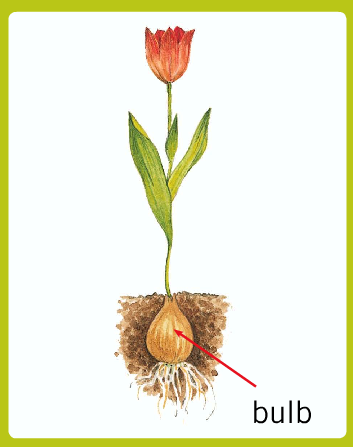
- BULBS: they also grow underground. For example onions
- STOLONS: These are stems which extend acroos the ground. Roots grop an a new plant begins. For example strawberries.


LET'S PRACTISE ALL WHAT YOU HAVE LEARN DURING THIS TOPIC WITH THE FOLLOWING ACTIVITIES.
